

Improving Conveying Efficiency with Plastic Chains
Industrial conveying performance depends on how well the conveying element matches the product and the line. A solution that works well in one process may not be suitable for another if load, speed, temperature, hygiene or transfer conditions change.
Technical perspective
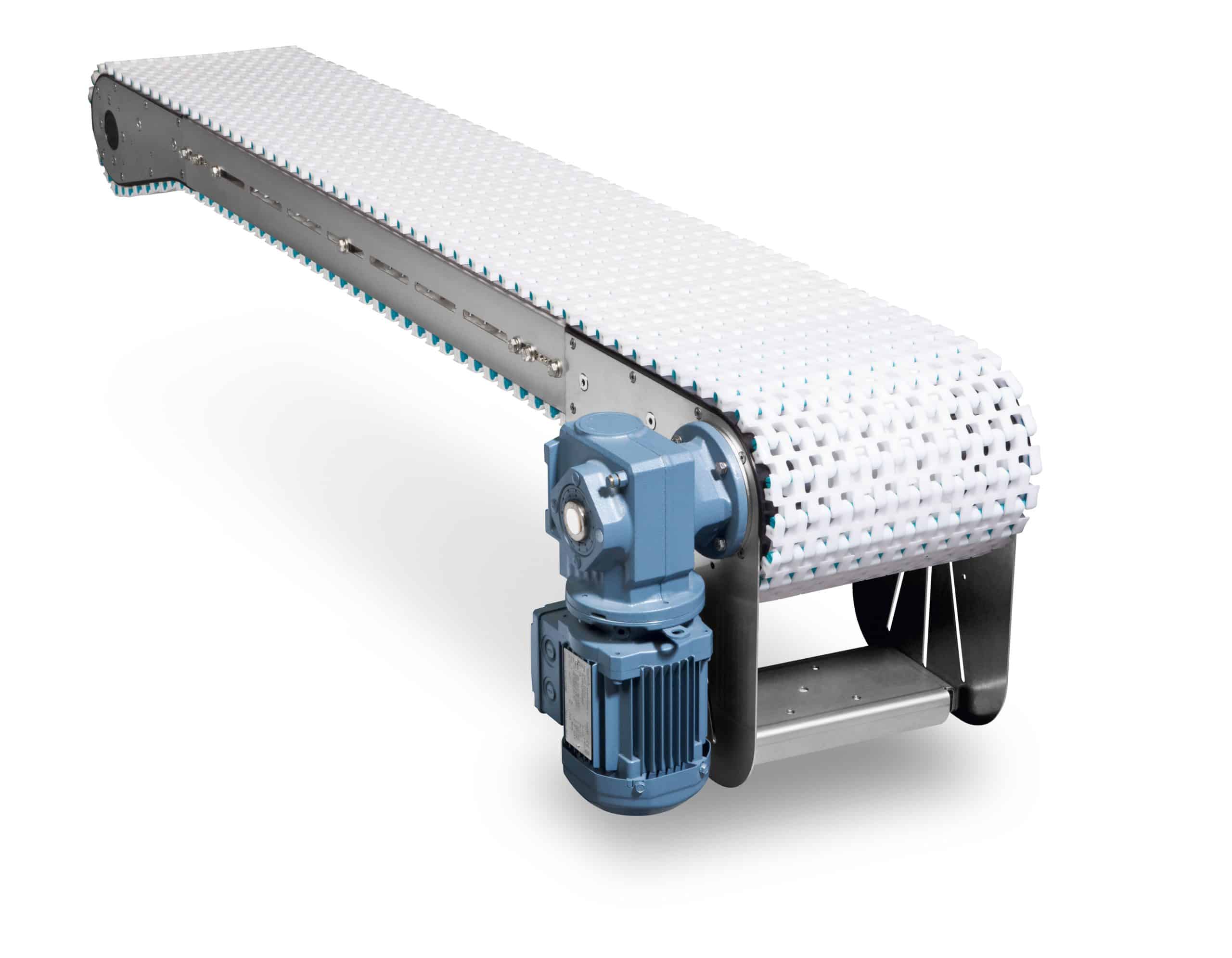
Plastic chains offer a modular conveying option where corrosion resistance, quiet operation, cleanability and flexible routing are important. Correct sprocket selection, guidance and support design are essential for stable operation.
What should be evaluated?
During project evaluation, product dimensions, weight, contact surface, throughput, belt or chain width, speed, line length, temperature, water, cleaning chemicals, incline, transfer points and maintenance access should be defined as clearly as possible.
Applications and operating conditions
Correct installation, guidance, drive alignment, support geometry, cleaning routine and planned inspection are as important as product selection. Evaluating these factors together helps create a more stable production flow and makes maintenance easier.
Bilge Kalıp approach
Bilge Kalıp reviews application data together with the available modular belt, acetal pallet and plastic chain options. For technical selection, sharing line drawings, dimensions, product information and operating conditions helps the team clarify the most suitable alternative.
Operation and maintenance considerations
Long-term performance also depends on correct installation, sprocket and guide alignment, support spacing, cleaning routines and planned inspections. Modules, pins, chain or belt surfaces, transfer points and drive components should be checked at appropriate intervals. Early identification of wear or tracking issues can help prevent unplanned downtime.
The more accurately application data is shared, the more reliably product selection and technical evaluation can be completed. Photos of the existing system, dimensions, conveyed product information and operating conditions provide useful input for the Bilge Kalıp technical team.